
Get scrap is a critical part of Australia’s circular economy, offering environmental, economic, and industrial benefits. Whether you’re a business owner, contractor, or individual looking to understand scrap trade, this guide covers everything you need to know about grades of scrap, the recycling process, and why it matters.
Understanding Grades of Scrap
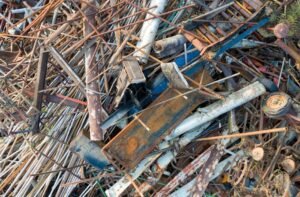
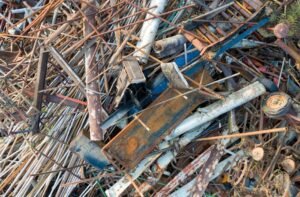
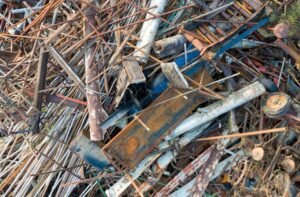
Scrap metals are categorized into two main types: ferrous and non-ferrous. Ferrous metals contain iron and are magnetic, while non-ferrous metals lack iron and are non-magnetic. These categories influence their recycling value, processing methods, and end-use applications.
Ferrous Scrap Grades
- Steel: Includes carbon steel, stainless steel, and alloy steel. Common sources are construction materials, vehicles, and appliances.
- Cast Iron: Found in engine blocks, pipes, and industrial machinery. It’s heavier and less malleable than steel.
- Iron: Pure iron is rare, but wrought iron and pig iron are processed into steel for reuse.
Non-Ferrous Scrap Grades
- Aluminum: Lightweight and corrosion-resistant. Aluminum scrap is in high demand for automotive and packaging industries.
- Copper: Valuable for electrical wiring, plumbing, and electronics. Recycled copper retains its conductivity.
- Brass and Bronze: Alloys of copper and other metals. Used in plumbing fixtures, musical instruments, and industrial equipment.
Grading also considers purity, size, and contamination levels. For example, scrap of aluminium is often sorted into “clean” (undamaged) and “dirty” (mixed with other materials) categories, affecting its market value.
How the Scrap Recycling Process Works
Recycling scrap metal involves a structured process to ensure efficiency and sustainability. Here’s a step-by-step breakdown:
1. Collection and Sorting
Scrap is collected from sources like demolition sites, manufacturing facilities, and individual sellers. Sorting separates ferrous and non-ferrous metals using magnets and sensors. Contaminants like plastic or wood must be removed manually or via shredding.
2. Processing
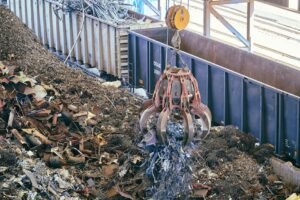
- Shredding: Large items (e.g., cars, appliances) are shredded into smaller pieces for easier handling.
- Melting: Scrap is melted in furnaces to remove impurities. Ferrous metals use blast furnaces, while non-ferrous metals often use electric arc furnaces.
- Casting: Melted metal is poured into molds to create ingots, billets, or sheets for reuse.
3. Repurposing
Recycled metals are used in new products like construction materials, electronics, and vehicles. For example, scrap aluminum is melted to produce soda cans, while recycled steel is used in bridges and buildings.
Environmental Benefits of Scrap Recycling
Recycling scrap metal reduces environmental harm compared to extracting raw materials. Key benefits include:
- Resource Conservation: Recycling reduces the need for mining, preserving natural resources like bauxite (for aluminum) and iron ore.
- Energy Efficiency: Producing steel from recycled scrap uses 60% less energy than from iron ore. Aluminum recycling saves 95% of the energy required for primary production.
- Landfill Reduction: Scrap recycling diverts millions of tons of waste from landfills each year, reducing soil and water contamination.
- Pollution Control: Lower energy consumption means fewer CO2 emissions. For example, recycling one ton of steel saves 1.5 tons of iron ore and 0.5 tons of coal.
Practical Tips for Getting Scrap
If you’re looking to get scrap for profit or sustainability, follow these steps:
- Identify Valuable Grades: Focus on high-demand metals like copper, aluminum, and stainless steel. Research current scrap trade prices using online marketplaces.
- Partner with Certified Recyclers: Verify that recyclers are licensed and use ethical practices. Explore the largest scrap trading network in Australia to find reputable partners.
- Prepare Your Scrap: Clean metals to remove dirt or contaminants. Sorting by type and grade increases your payout.
- Stay Informed: Monitor market trends and regulations. Prices fluctuate based on global demand for metals and recycling technologies.
Why Get Scrap in Australia?
Australia’s robust recycling infrastructure and growing demand for sustainable materials make it an ideal market for get scrap initiatives. The country’s mining industry generates vast quantities of scrap metal, but recycling offers a more profitable and eco-friendly alternative. For example:
- Economic Impact: The recycling industry employs thousands and contributes billions to Australia’s economy annually.
- Government Incentives: State and federal policies promote recycling through tax breaks and grants for green businesses.
- Community Engagement: Programs like scrap trade platforms connect individuals and businesses to recycling opportunities, fostering a culture of sustainability.
Challenges in Scrap Recycling
Despite its benefits, scrap recycling faces challenges such as:
- Contamination: Mixed materials reduce the quality of recycled metals.
- Logistics: Transporting heavy scrap to processing facilities can be costly.
- Market Volatility: Prices fluctuate based on global supply and demand, affecting profitability.
Overcoming these challenges requires investment in technology, education, and collaboration between stakeholders.
Conclusion
Get scrap is not just about profit—it’s about building a sustainable future. By understanding grades, supporting the recycling process, and advocating for environmental responsibility, individuals and businesses in Australia can contribute to a cleaner planet and a thriving economy. Whether you’re learning about scrap trade or selling scrap, every effort makes a difference.
Frequently Asked Questions
What are the main grades of scrap metal?
The two primary grades are ferrous (iron-containing) and non-ferrous (non-iron) metals. Ferrous includes steel and iron, while non-ferrous includes aluminum, copper, and brass.
How does recycling scrap metal benefit the environment?
Recycling reduces landfill waste, conserves natural resources, lowers energy consumption, and minimizes greenhouse gas emissions compared to producing metals from raw materials.
How can I get scrap metal for recycling?
You can get scrap by sourcing from demolition sites, manufacturing facilities, or household items. Partner with certified recyclers to ensure proper processing and fair pricing.
What are common mistakes to avoid when recycling scrap?
Common mistakes include failing to sort metals properly, not cleaning scrap of contaminants, and working with unlicensed recyclers. Always research current market prices and grading standards.